


This was a non-profit professional organization established in the State of Florida on July 1, 2008, as Hispanic American Medical Academy of the United States. It was amended July 21, changing its name to the current Hispanic American College of Physicians & Surgeons.
This corporation has been registered under No. N08000006239 with the Division of Corporations of the Florida Department of State.
The Hispanic American College of Physicians & Surgeons is a division of the Institute of Hispanic Culture of the United States, a cultural non-profit organization founded also by a select group of professionals led by Dr. Roberto Buitrago, its current President, in Baton Rouge, Louisiana, in April 24, 1990, and created under the provisions of R.S. 1950, Title 12, Chapter 2, as amended; and filed and recorded at the office of the Secretary of State of the State of Louisiana in the Record of Non-Profit Corporations, Book 343, and also registered as a not-for-profit organization in the State of Florida on April 19, 2001 under No. F01000002127.
Now we focus on getting helpful medical information out to the world.
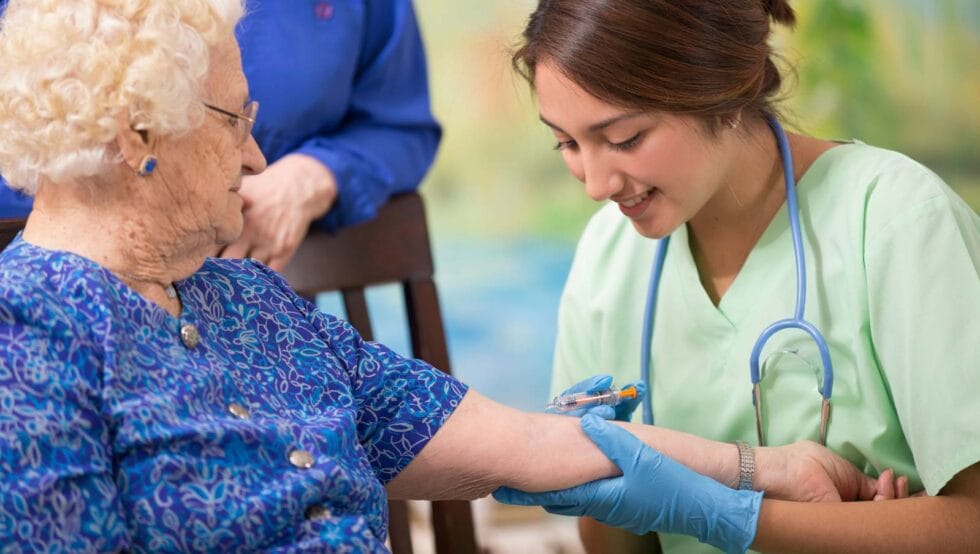
Introduction: As the population ages, the demand for high-quality medical care within care homes for seniors continues to grow. Providing comprehensive medical services tailored to the unique needs of elderly residents is essential for ensuring their health, well-being, and overall quality of life. In this article, we’ll explore various aspects of medical care within care homes and strategies to enhance the delivery of healthcare services to elderly residents.
Multidisciplinary Care Teams: Effective medical care within care homes requires the collaboration of multidisciplinary teams comprising physicians, nurses, pharmacists, therapists, and social workers. These teams work together to assess residents’ medical needs, develop personalized care plans, and coordinate treatments and interventions. By pooling their expertise and resources, multidisciplinary care teams can address complex health issues comprehensively and provide holistic care to seniors.
Regular Health Assessments: Regular health assessments are essential for identifying and monitoring seniors’ medical conditions, functional abilities, and overall well-being. Care homes should conduct thorough initial assessments upon admission and periodic reassessments thereafter to track residents’ health status and address any changes or concerns promptly. These assessments may include physical examinations, cognitive screenings, medication reviews, and evaluations of activities of daily living.
Medication Management: Many seniors residing in care homes require multiple medications to manage chronic conditions, alleviate symptoms, and maintain their health. Effective medication management is crucial for ensuring the safe and appropriate use of medications while minimizing adverse drug reactions and interactions. Care homes should implement robust medication management protocols, including medication reconciliation, regular reviews, monitoring for side effects, and patient education to promote adherence.
Chronic Disease Management: Chronic diseases such as diabetes, hypertension, heart disease, and arthritis are common among elderly individuals and require ongoing management and support. Care homes should develop specialized programs and interventions for managing chronic conditions, including regular monitoring of vital signs, blood glucose levels, and medication adherence. Collaborating with primary care providers and specialists ensures coordinated care and optimized treatment outcomes for seniors with chronic diseases.
Fall Prevention: Falls are a leading cause of injury and hospitalization among seniors, particularly those residing in care homes. Implementing fall prevention strategies is crucial for reducing the risk of falls and minimizing their impact on residents’ health and well-being. Best Care homes can enhance fall prevention efforts by conducting fall risk assessments, modifying environmental hazards, providing mobility aids, and implementing exercise programs to improve strength and balance.
Palliative and End-of-Life Care: As seniors age, they may face complex medical conditions and end-of-life issues that require specialized care and support. Care homes should offer comprehensive palliative and end-of-life care services to ensure that residents receive compassionate and dignified care during their final stages of life. This may include pain management, symptom control, emotional and spiritual support, advance care planning, and coordination of care with hospice providers.
Telehealth and Technology: Advancements in telehealth and technology offer opportunities to enhance medical care delivery within care homes, particularly in remote or underserved areas. Telehealth services enable seniors to access medical consultations, monitoring, and follow-up care remotely, reducing the need for unnecessary hospitalizations or emergency room visits. Care homes can leverage telehealth platforms, remote monitoring devices, and electronic health records to improve efficiency, communication, and continuity of care.
Staff Training and Education: Investing in staff training and education is essential for maintaining high standards of medical care within care homes and ensuring that staff members have the knowledge, skills, and competencies to meet residents’ needs effectively. Care homes should provide ongoing training on topics such as geriatric care, dementia management, infection control, medication administration, and communication skills. By empowering staff with the necessary tools and resources, care homes can deliver quality medical care and enhance resident outcomes.
Providing comprehensive medical care inside care homes for seniors requires a multifaceted approach that addresses the diverse and evolving needs of elderly residents. By implementing strategies such as multidisciplinary care teams, regular health assessments, medication management, chronic disease management, fall prevention, palliative care, telehealth, technology integration, and staff training, care homes can optimize the delivery of healthcare services and improve the overall quality of life for seniors in their care.
Although back pain seems like something that only your grandma or grandfather would complain about, it is something that anybody could experience. Back pains do not only take place during old age due to degenerative musculoskeletal disorders, but it could likewise be an outcome of inappropriate posture, accidents, or traumas. Be it persistent or acute; it is necessary to know how to deal with it. Below are some practical tips from the Clovis Chiropractor that might offer you relief just in case of an episode of back pain:
Cold and hot compress– by alternately applying a heat pack and an ice bag every 10 minutes on the location of where your neck and back pain is mostly felt, this alleviates the inflammation and at the same time numbing the area. That is naturally if the cause of the pain is swelling due to trauma or injury directed at your back.
NSAIDs or painkiller– also known as acetaminophen, painkillers are an efficient temporary relief for a bad episode of pain in the back. Although it does not cure the cause of the pains itself, it is a great way to ease the pain while your back is healing. Obviously, although these medications are over the counter, it is necessary that you have your neck and back pain examined by a doctor initially, so you will understand that the kind of pain in the back that you have is simply a single episode that will eventually disappear and absolutely nothing more.
Lie down and rest– sometimes neck and back pains could be due to incorrect posture, sitting the wrong way, or twisting your back the wrong way. This can be eventually eliminated by lying down with your raised against a wall or a high chair for a minimum of Thirty Minutes, two times a day. Your torso and ought to be at a 90-degree angle with your aligned legs to stretch and unwind the muscles of your back. This will alleviate the discomfort in a matter of days as long as you do it constantly.
Drink a lot of water– since our joints and ligaments are primarily cushioned by a liquid that prevents the bones from grinding into each other, it is very important to keep yourself hydrated. The disks in your spinal column should be well hydrated, so you will not experience unnecessary back pain. And besides, properly hydrating yourself has a positive effect on your body and therefore it is a win-win for your health in general.
And last however not the least, do appropriate and frequent extending– sitting behind a desk for prolonged time periods or straining your back from hunching while walking will ultimately cause back injury. By stretching out your body, it will loosen up your back and assistance ease any nerve that was captured between your spinal column.
Boxing has always been a big part of the mexican culture…and the good old luchador but something new is becoming very popular for hispanic people. And that is Jiu Jitsu.
“Jiu Jitsu is a great form of exercise, it’s fun and it helps you to stay healthy. Then you add in the aspects of self defense and it becomes a great thing to devote your life to” says the Black Belt Instructor at the HMC Jiu Jitsu Honolulu School
Jiu Jitsu was originally started by the Japanese but was taught to a group of Brazilians who made it famous. The Gracie family mainstreamed Jiu Jitsu as the most effective martial art by putting all the styles together in one ring, what is now known as the Octagon, and seeing who came out the winner.
In the early days, the small Brazilian would win every time. This put Gracie Jiu Jitsu on the map.
You should definitely try a call out whenever you can.
Were you recently in an auto accident and need to see a Car Accident Chiropractor in Louisville?
Introduction to Headaches
Headaches are an incredibly common occurrence for the majority of us and according to the American Chiropractic Association (ACA), 90% of all people will experience at least one headache in the next year alone. Luckily for us, of that 90% only 1% of all headaches experienced will be emergency-related (from stroke, hemorrhage, aneurysm, etc.). In this article we’ll be discussing the top four headaches, which comprise 95% of all headaches, but before we do there’s an important point we’d like to make: headaches are a nuisance, no one would disagree with that statement, but they are also a signal from our bodies communicating vital information; taking the opportunity to assess why the body is sending us this signal is important in breaking the cycle of treating the symptoms of a headache rather than the root cause. There is no fault in wanting to get out of pain and in taking medication from time-to-time, but taking medications on a regular basis for symptoms which pop up frequently is ignoring the vital message sent from our bodies and, at the very least, keeping us in a state of living our lives around pain rather than omitting the pain from our lives altogether.
Headaches are as unique as you or I and come in many shapes and sizes. The four most common headaches people experience are:
Tension Headache
Migraine Headache
Cluster Headache
Sinus Headache
What can Chiropractic do for Headaches?
Better alignment of the spine, which translates to better posture, balance, muscle tone, and less pain-helping those with headaches and TMJ, among many other conditions
Decisions surrounding food and nutrition-knowing which foods to take in and which foods contribute to headaches and pain is important in addressing the cause of your headaches
Stretches and exercises to build weaker muscles, improve posture, balance, and muscle tone, and decrease pain-a sedentary lifestyle lacking motion is a primary cause of pain and headaches
A more ideal ergonomic blueprint for your workstation, helping to put you in a position that will help you avoid pain and headaches
Stress management-a factor present to all four of the most common headaches people typically suffer from
Tension Headache
Symptoms
Band-like pain that starts at the base of the skull and wraps its way around the head-this headache is related to increased tension in the muscles in the shoulder, neck, and head
The pain is typically worse at the end of the day and can occur daily, as this headache is related to daily stresses which can be inflicted on us with great regularity
Tension Headaches comprise 90% of all headaches
Causes
The most common cause of tension headache is stress from lack of movement, keeping yourself in a position of poor posture for prolonged periods of time on a daily basis (e.g. poor office ergonomics)
Tension headaches can also be related to a stressful emotional or physical event and to TMJ/TMJD (Temporomandibular Joint Disorder) from gritting your teeth or pressure in the joint from joint misalignment in the temporomandibular joint (jaw)
Medication-Free Therapies
Chiropractic is very effective for patients with Tension Headaches and many other headaches for that matter, as it aids in relieving tension in the neck, shoulders, and head which is often a main contributor to headaches; chiropractic is also ideal for treating the effects of TMJ as this is often due to joint misalignment (subluxation) and tight muscles in the jaw region
Better ergonomics and posture is crucial if your work environment is the culprit for your headaches; consider using a palates’ ball at your work station to improve posture and strengthen core muscles
Stretches and exercises for the neck, shoulders, and head can improve posture and decrease pain from tension and other headaches, since prolonged immobility is a big factor in muscle tightness and spasm
Other holistic therapies, such as massage and acupuncture, has been proven effective in relieving tension in the neck and shoulders associated with tension headaches as well
Migraine Headache
Symptoms
Migraines are typically on one side of the head, but can be on both sides-the pain is pulsating or throbbing in nature and can lead to: nausea and vomiting, a desire to avoid lights or loud sounds, malaise, and visual disturbances
In the majority of cases there is increased muscle tension present in the shoulders, neck, and base of the skull which contribute to the symptoms and manifestation of pain
Causes
There is a genetic connection with migraines; however, environmental factors are often the triggers for migraine headaches
Certain foods may trigger migraines, such as: caffeine, MSG, aspartame, alcohol, processed meats, and many more…
Environmental factors and emotional factors can play a role as well, such as exhaust from cars, smoke, perfumes, and stress or stressful events in our lives
Medication-Free Therapies
Discovering the foods, chemicals, stresses and other factors which trigger migraines is vital; note what you were doing or what environmental factors were at play 24 hours prior to having a migraine
Developing a pattern for when you experience migraines is key to limiting their occurrence
Cayenne pepper has been proven effective in limiting pain associated with migraines because it releases endorphins in the brain, natural pain-killers
Chiropractic care for the release of tight muscles and muscle spasm, as well as putting the vertebra back into position of ideal alignment can have beneficial effects on migraine sufferers
As a side note, it was once believed that migraines were caused by changes to bloodflow in the body (vascular changes), but it is now believed that migraines are caused by neurological changes or changes within the brain itself-which is why many medications used to treat migraines for years were, in some cases, actually causing headaches and other symptoms with continued patient use
Cluster Headache
Symptoms
Non-throbbing pain which is located around the eye region, leading to tearing and sinus drainage, and often waking the sufferer at night
These headaches occur several days in a row, lasting for minutes to hours, for up to a few weeks to a few months; then they go away for a period of time only to reemerge at a later date (episodic pain)
Causes
Most common causes are alcohol and vasodilating drugs (drugs that cause arteries to expand, like nitroglycerine)
Other causes include: cigarette smoke and nicotine, hydrocarbon exposure (e.g. perfumes, exhaust from cars, etc.), sleep or lack of sleep, dehydration and (of course) stress
Medication-Free Therapies
Avoiding alcohol and certain drugs which may be triggering these headaches; avoidance of environmental triggers (smoke, perfumes, etc.); and stress management
Drinking plenty of water-dehydration can have a significant effect on cluster headaches
Oxygen therapy, such as hyperbaric oxygen therapy has been proven effective for cluster headaches-even aerobic exercise has been shown to decrease duration and intensity of cluster headaches because it increases oxygen saturation in the body
Tension in the neck, shoulders, and head is often present with cluster headaches and chiropractic care can help relieve some of the symptoms associated with cluster headaches
Sinus Headache
Symptoms
Achy or dull pain that is caused by pressure over the sinus regions in the face-often affecting one side worse than the other
There may be accompanying sinus drainage with headache and the possibility of fever if the sinus headache is related to infection
Causes
Common causes can be indoor or outdoor inhalants. Outdoor triggers include: pollen, ragweed, and exhaust; indoor factors include: smoke, dust, chemicals, mold, and other contaminants from concentrated air recycled through ventilation systems
Allergens can also expand to foods, leading to sinus headaches and sinusitis-such as dairy products and any refined food (especially refined sugar as it feeds bacteria and fungus and weakens the immune system)
Sinus headaches can also be illness-related, as in the case of sinus infections or sinusitis (from viral, bacterial, or fungal invaders)
Medication-Free Therapies
Increasing water consumption (especially hot water) is an excellent way to get the sinuses clear and mucus flowing out of the sinus region (water has natural expectorant properties)
Also consider using a Neti pot to clear the nasal passages decreasing congestion and the effects of allergens and other nasal irritants
If your headaches are due to indoor irritants, consider opening a window to circulate the air, clean your house or work-station on a regular basis, and/or consider getting a HEPA filter to remove allergens from the air (ionic filters produce ozone as a byproduct and can irritant the lungs, so HEPA is the preferred air purification system). Dust covers for your bedding and air ventilation filters are effective means to improve air quality and limit exposure to many triggers
For outdoor allergens, consider taking a broad-spectrum antioxidant, drinking plenty of water, and avoiding common allergenic foods (dairy, wheat, corn, and soy are among the most common allergenic foods) which may be placing an increased burden on your body’s ability to handle allergy season
There are many in the alternative health community who tout cleanses (especially liver cleanses) as the only way to truly beat the effects of allergies and environmental irritants, but if you choose to go this route please make sure you are under the supervision of a qualified health professional
Article Source: http://EzineArticles.com/4402066
Hispanic Medical College ©2026 All Rights Reserved